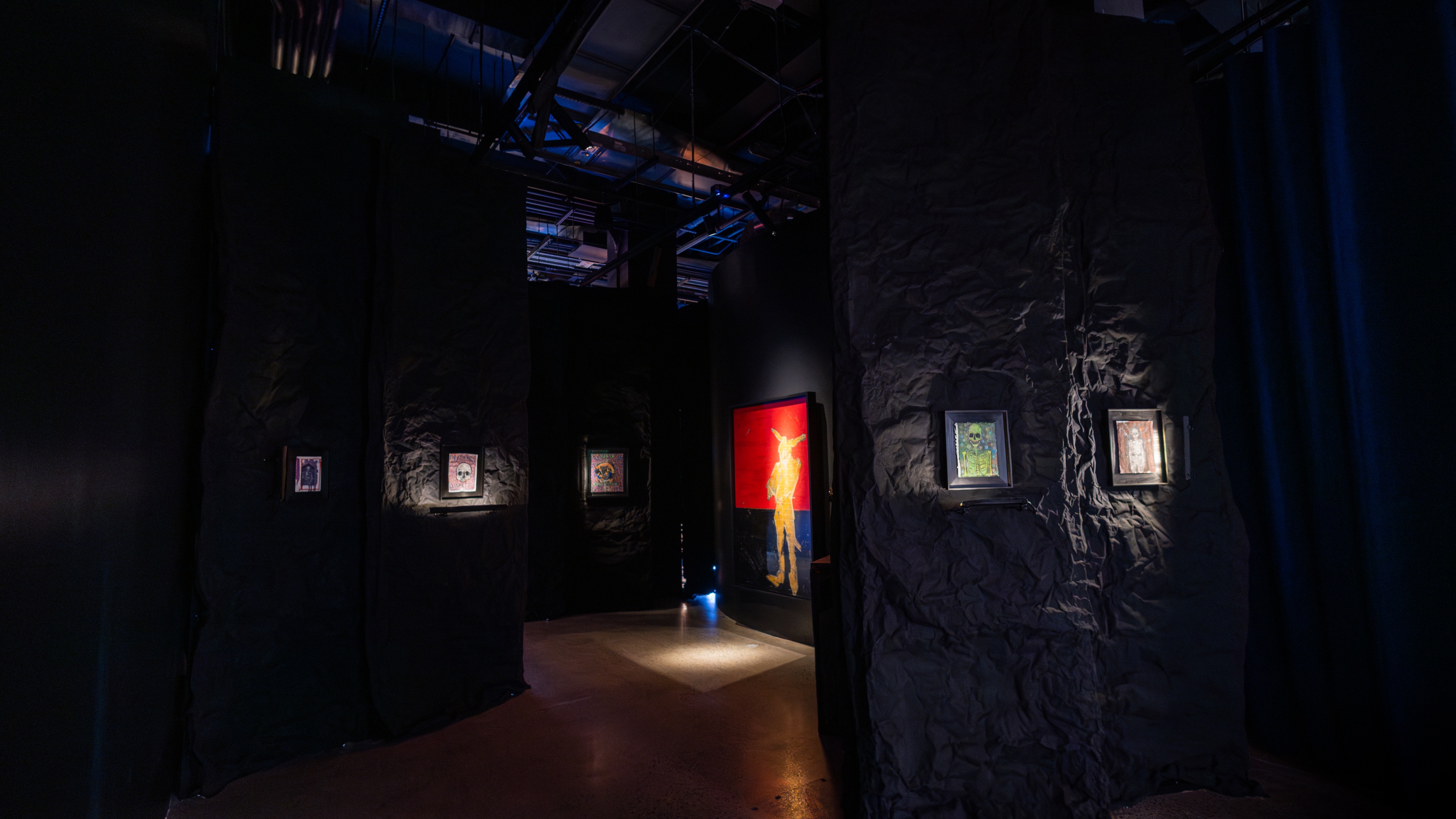
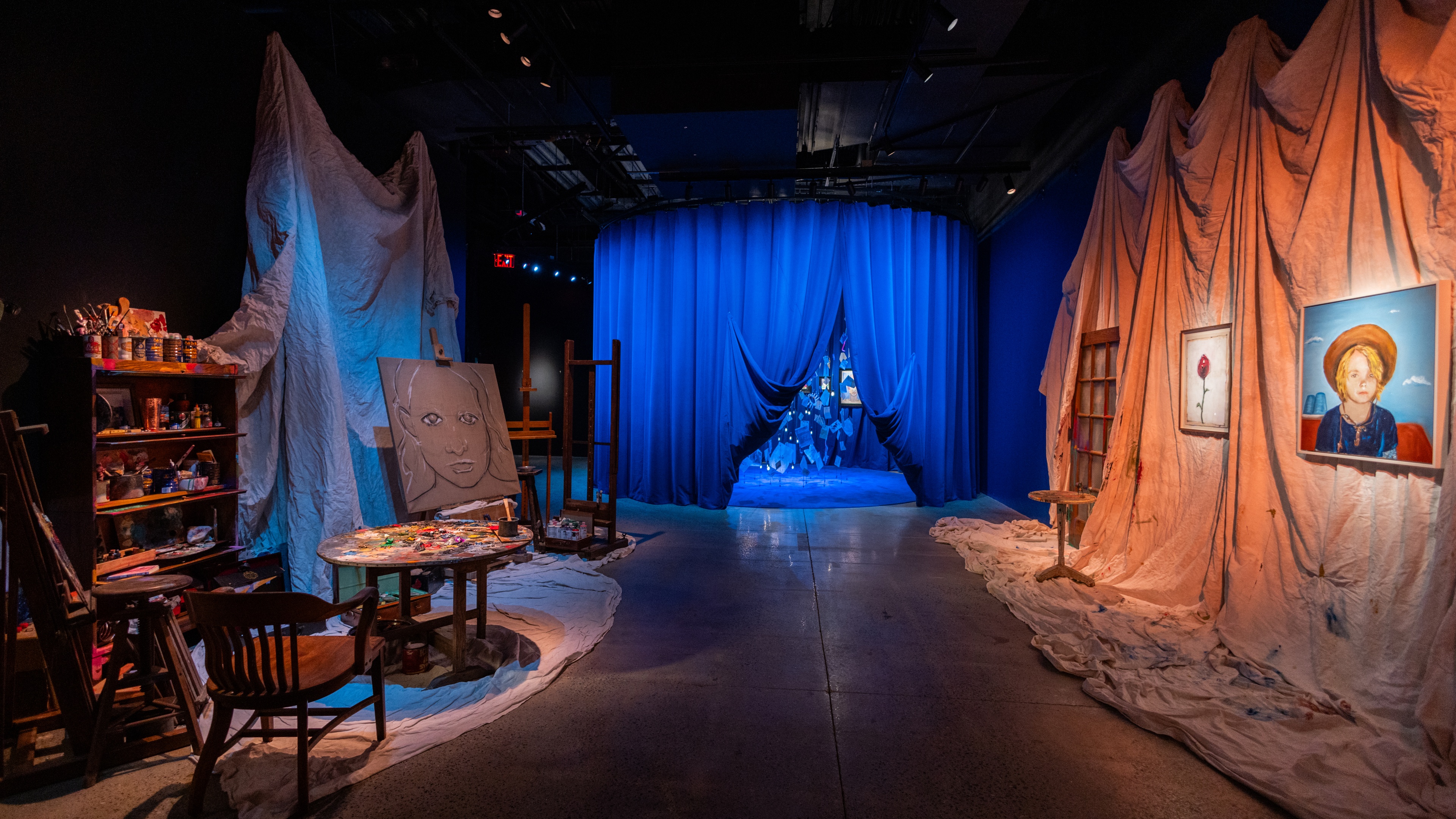
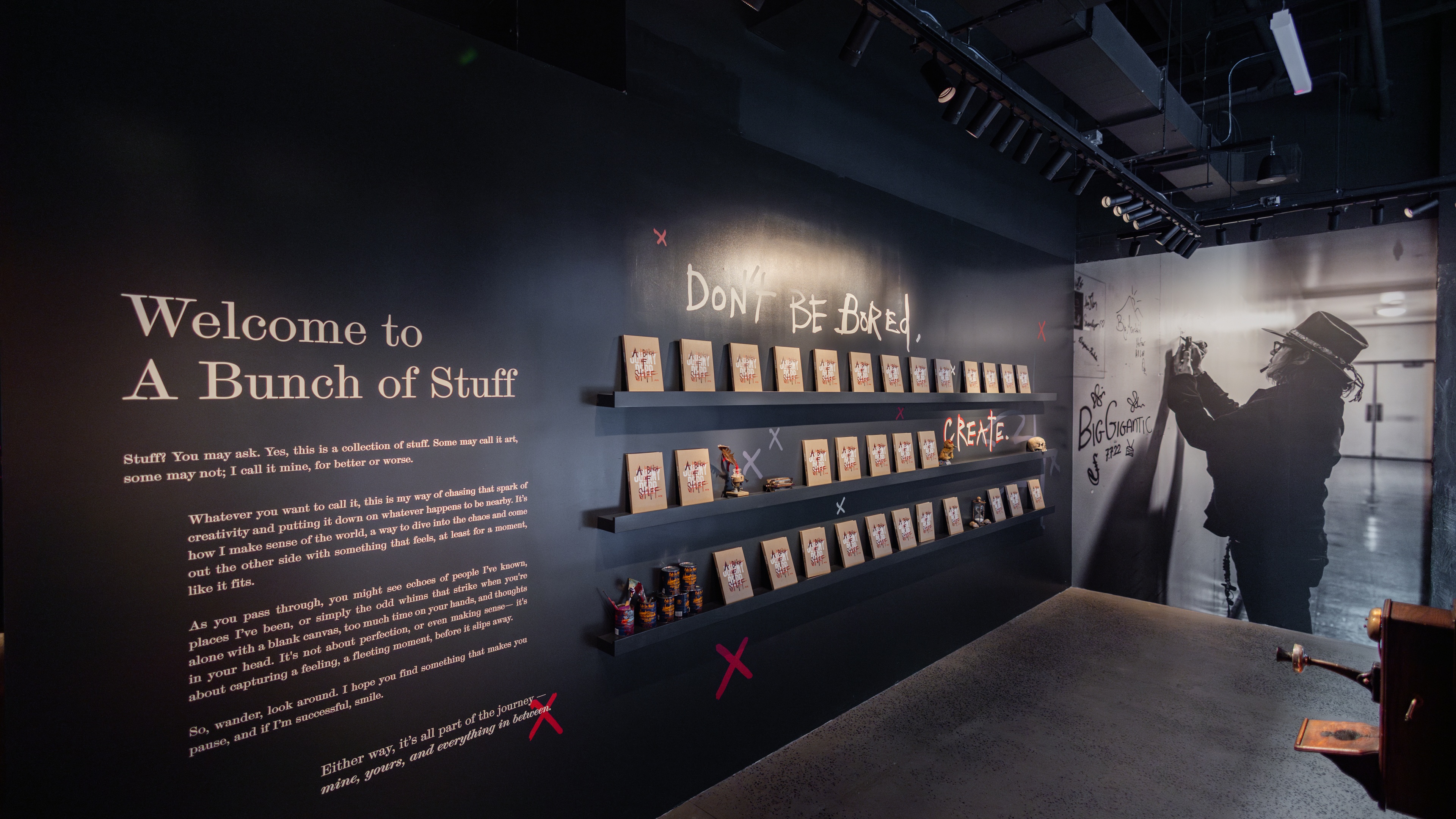
To successfully launch their new brand, BAUART was looking to reimagine art exhibitions and transform how people see and experience art. They turned to TAIT to help them create an experiential and immersive gallery space that would break tradition by blending elements of a white cube gallery with digital moments of inspiration and discovery.
TAIT is committed to protecting and respecting your privacy. TAIT will only use the contact information you provide to us to contact you about our products, services or special content. You may unsubscribe from these communications at any time. For information on how to unsubscribe, as well as our privacy practices and commitment to protecting your privacy, check out our Privacy Policy.
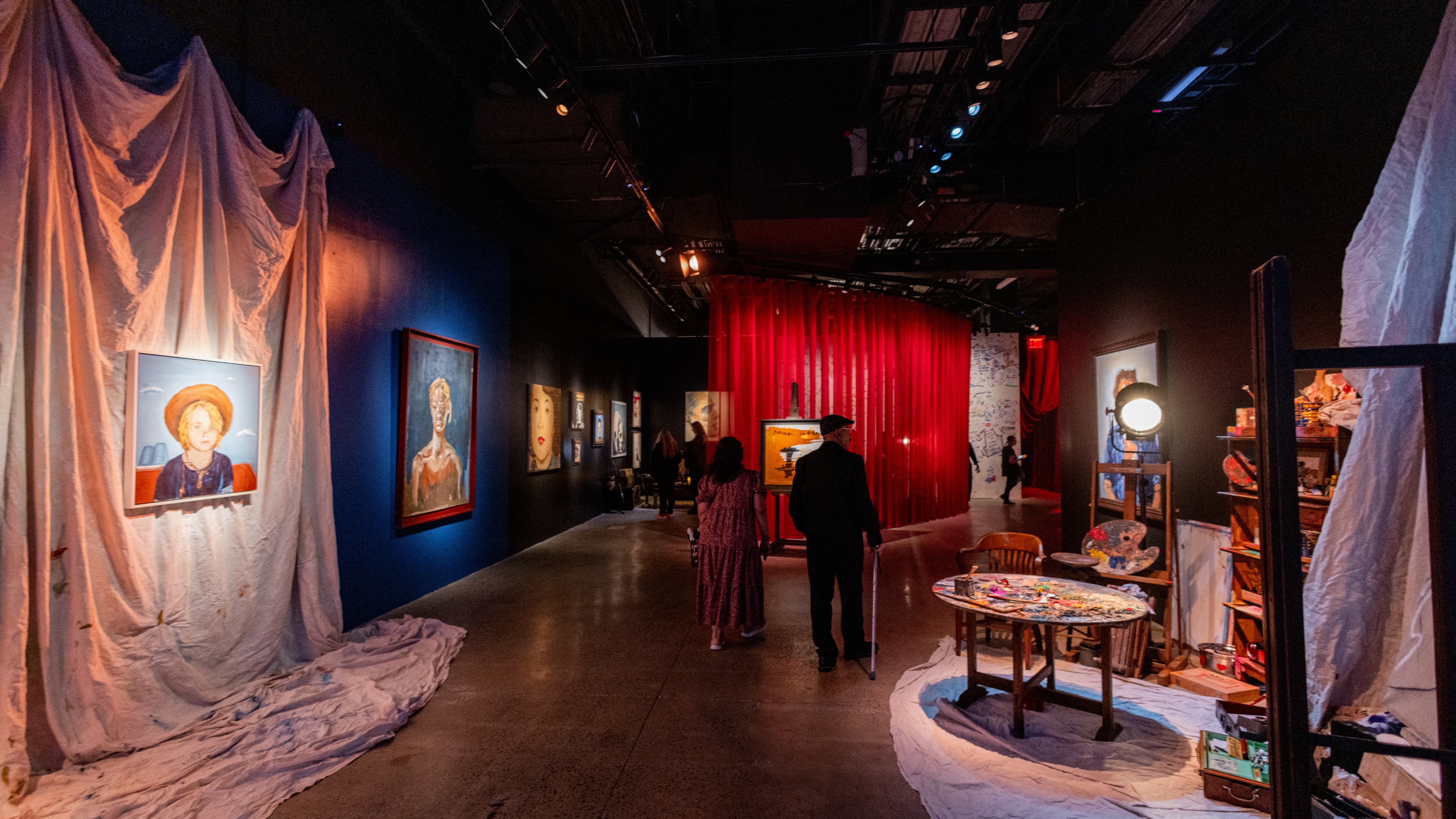
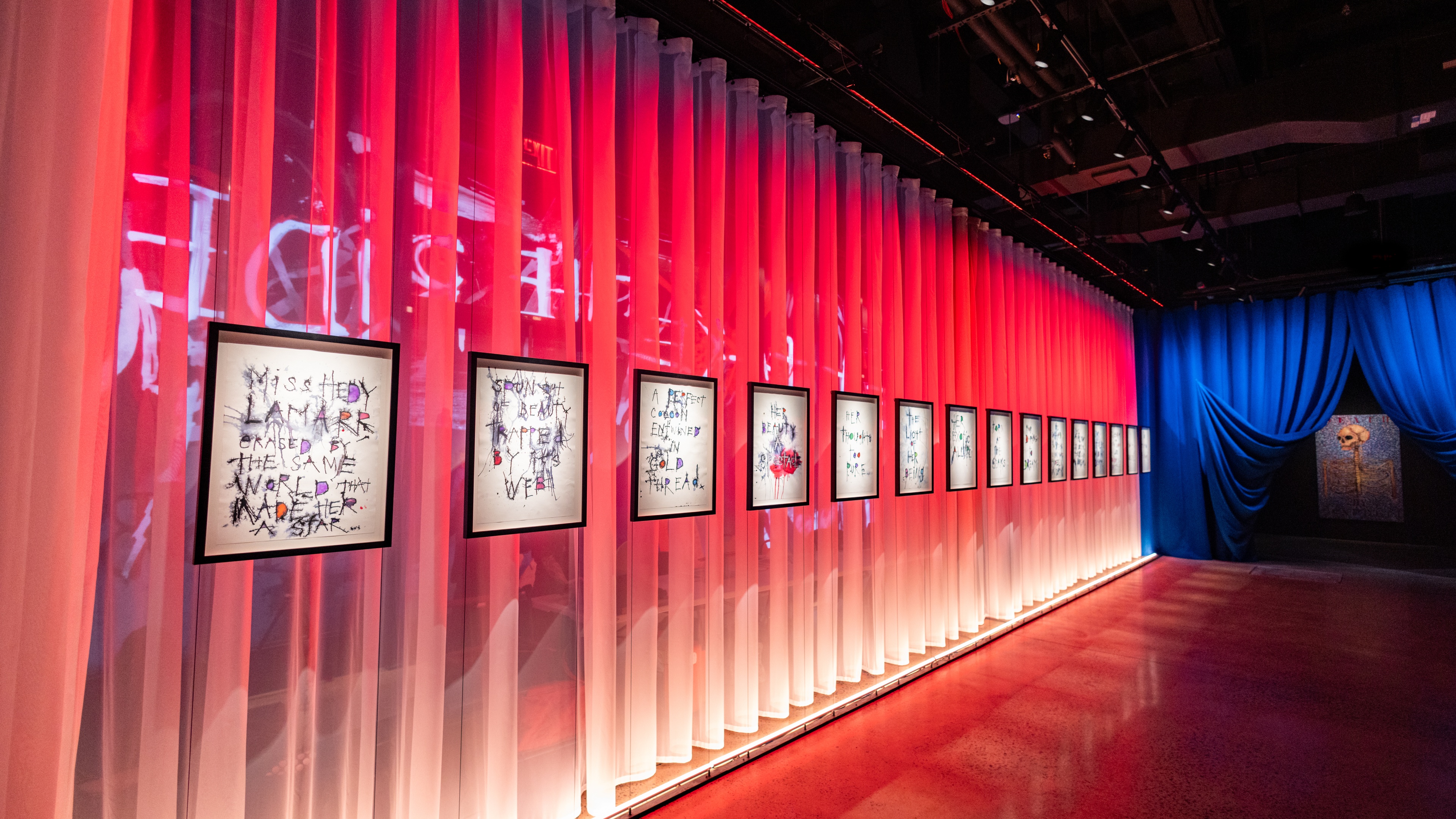
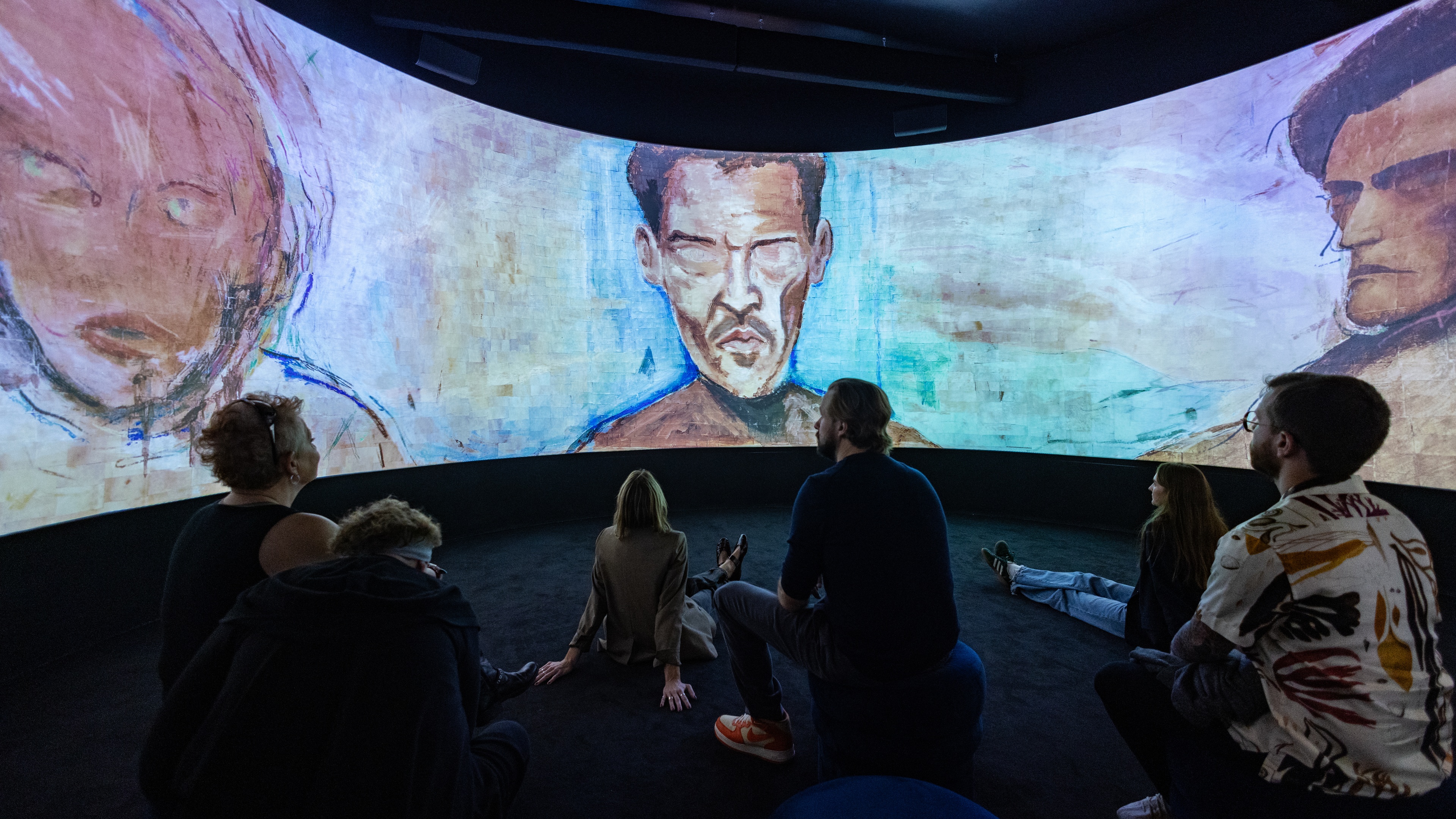
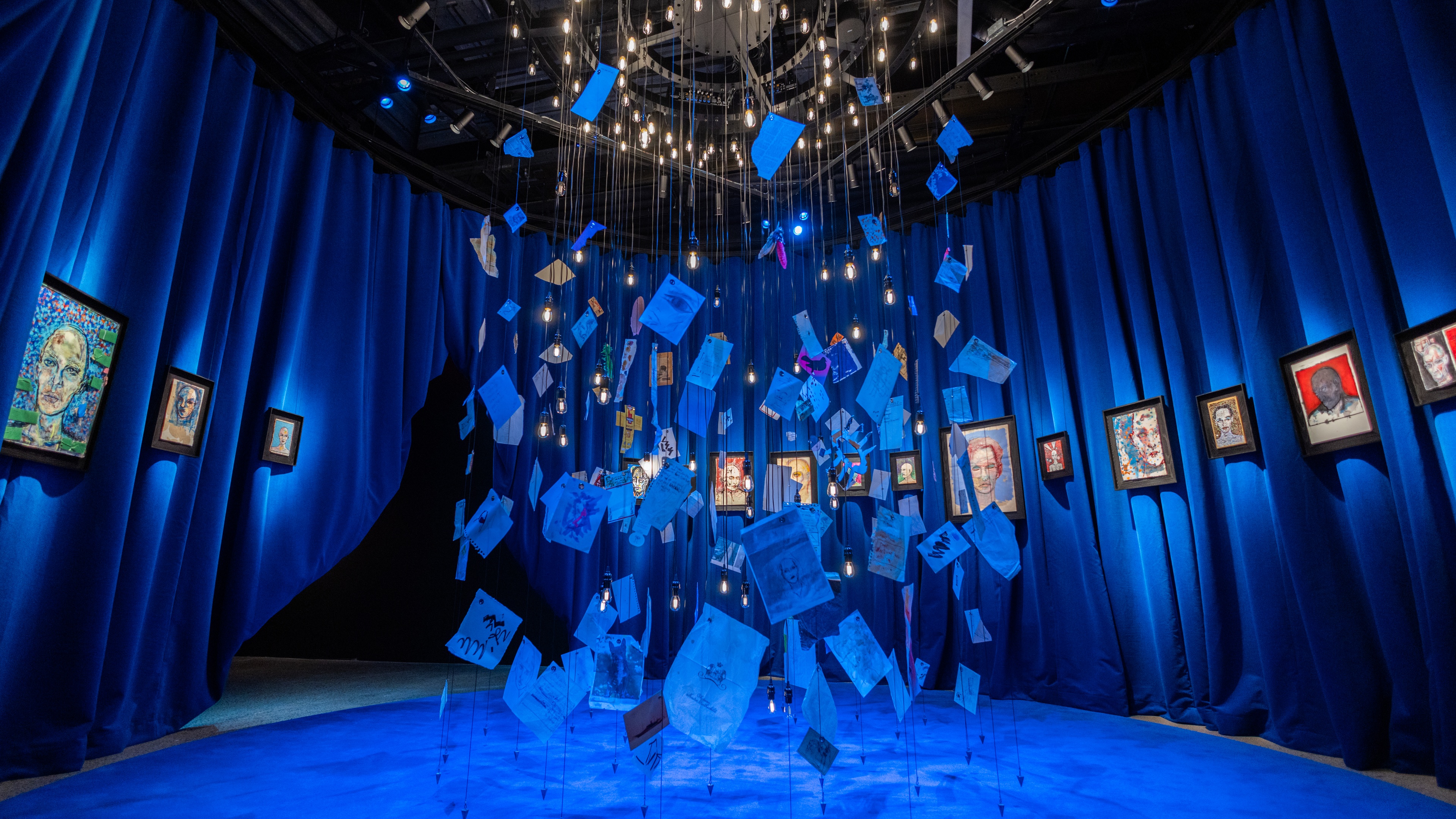
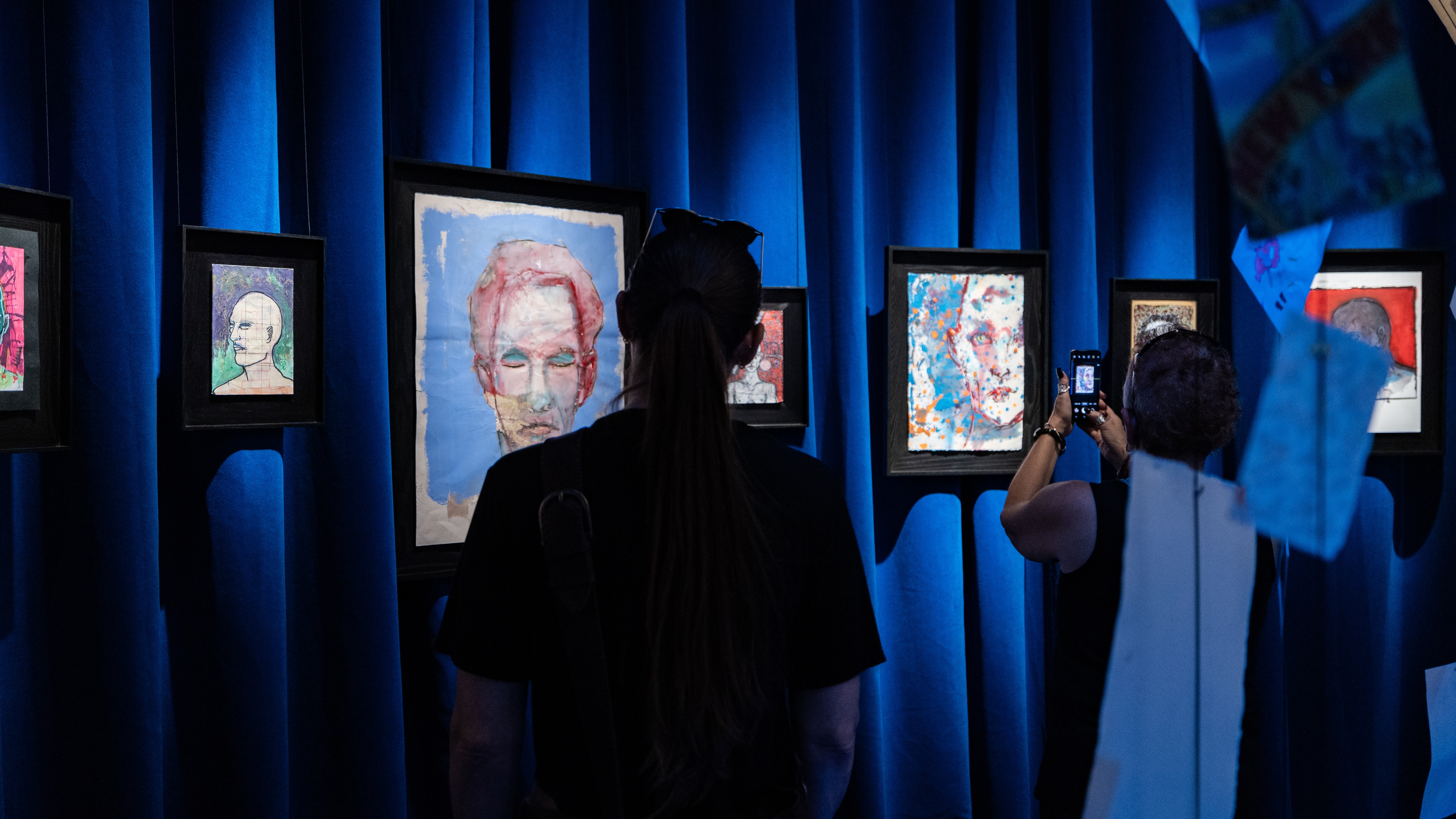
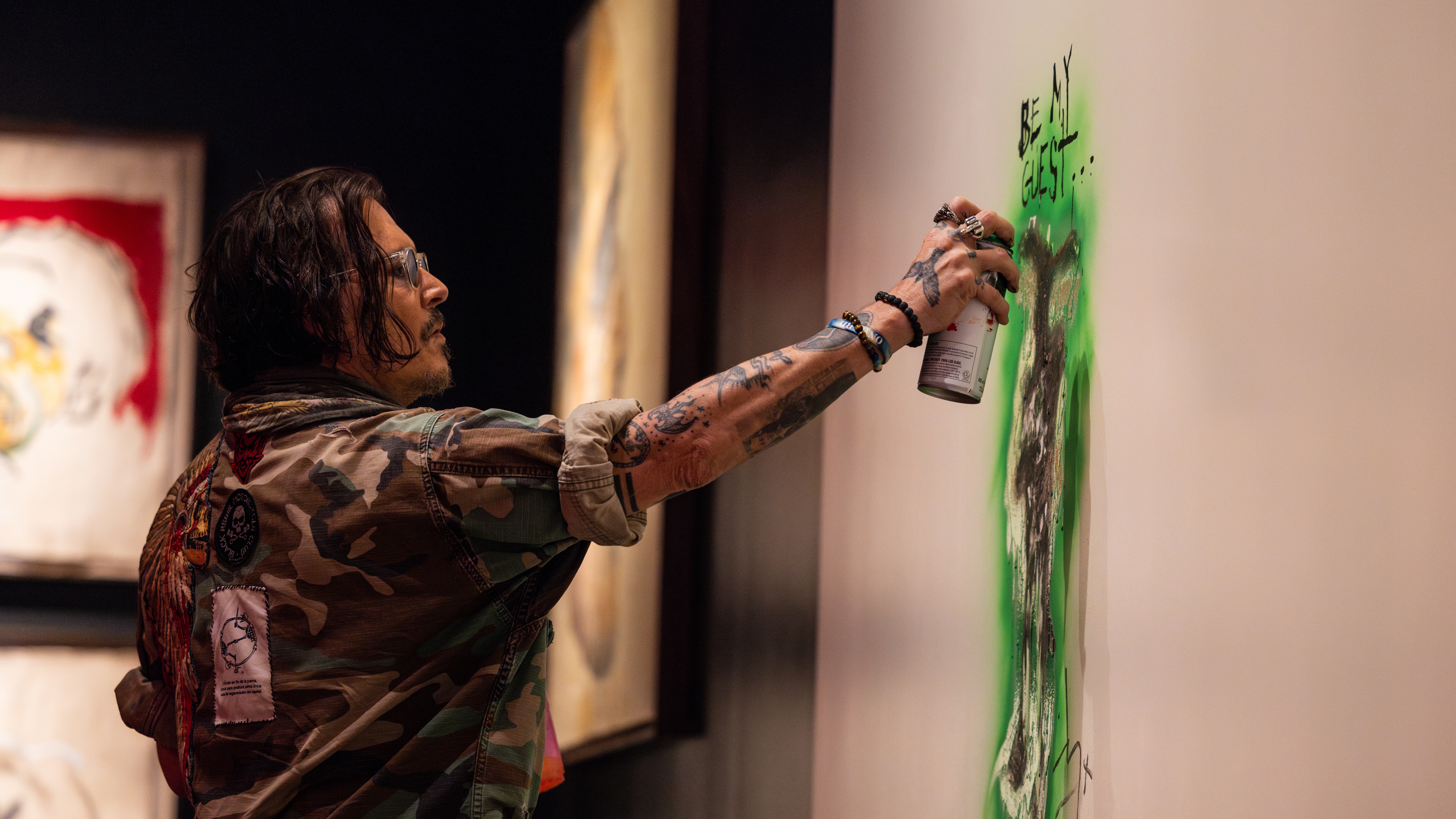
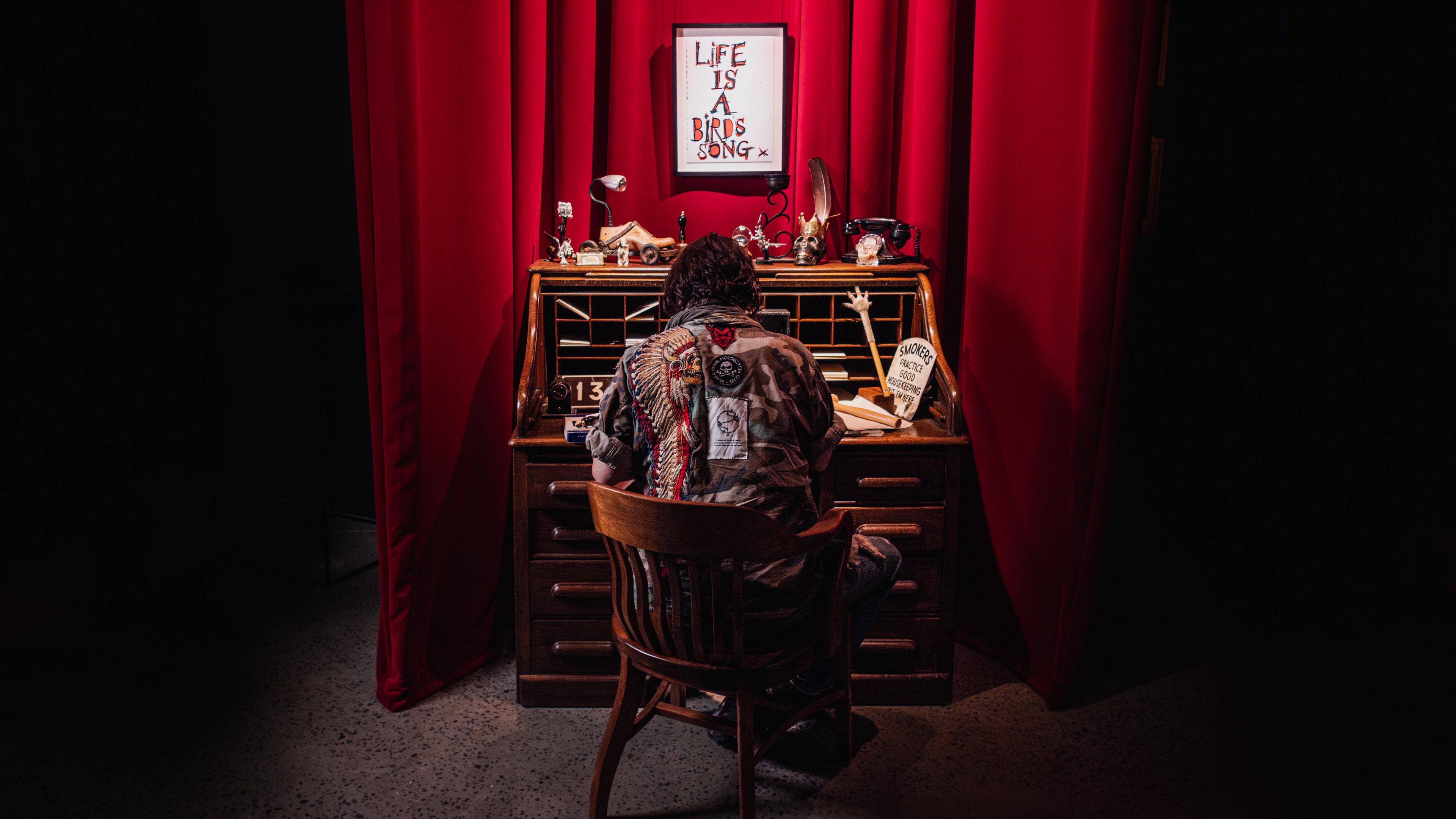
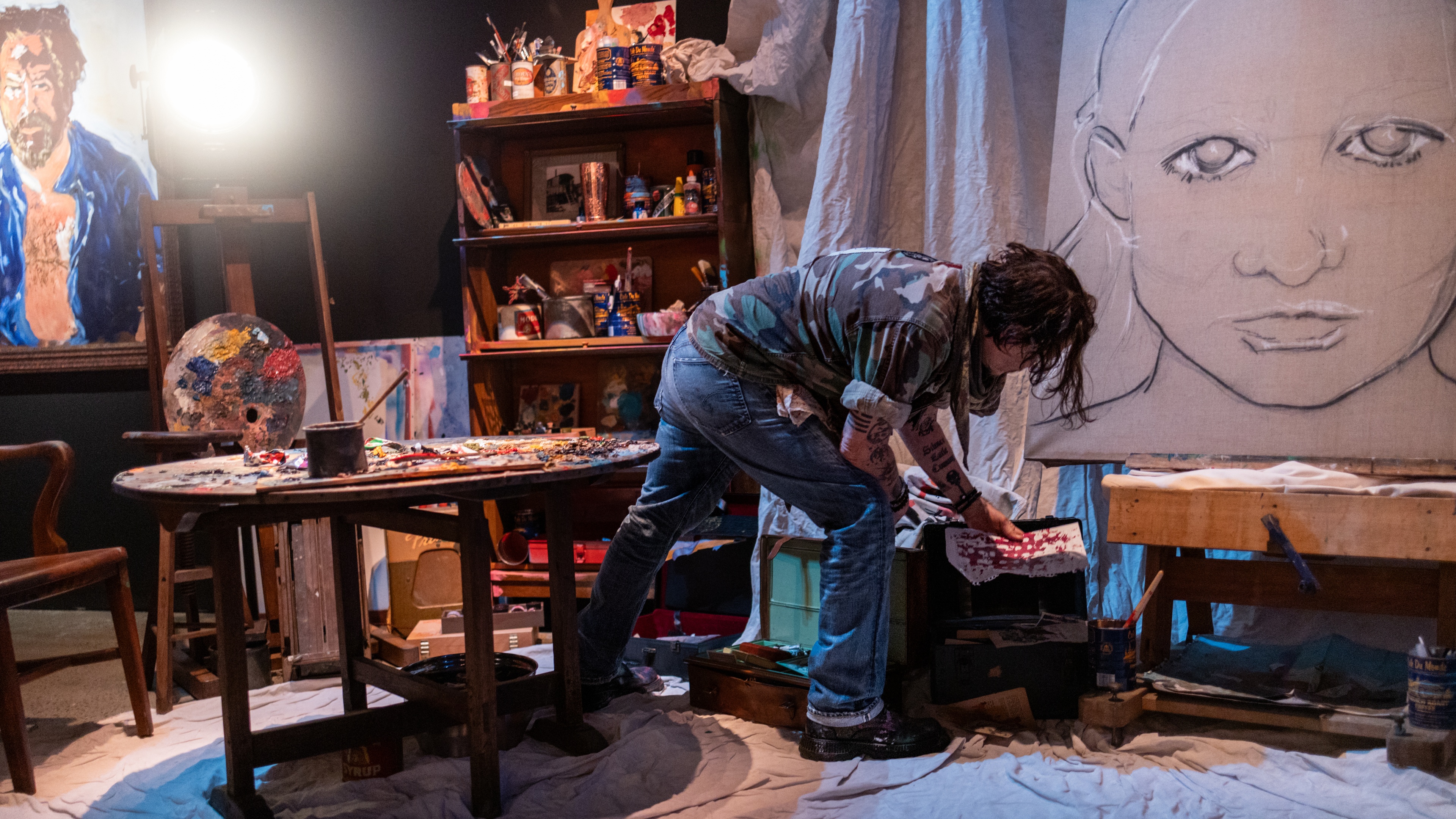
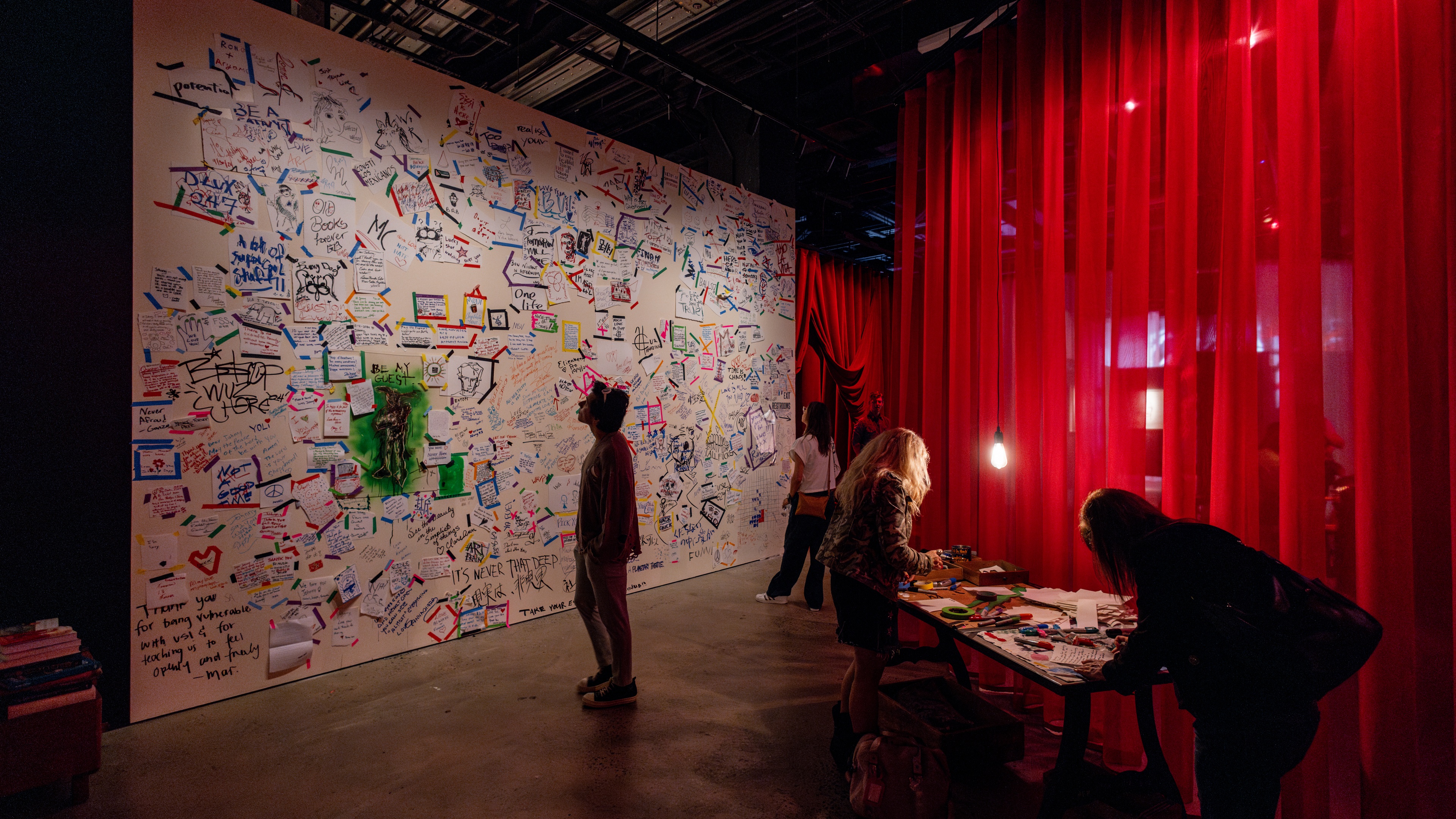
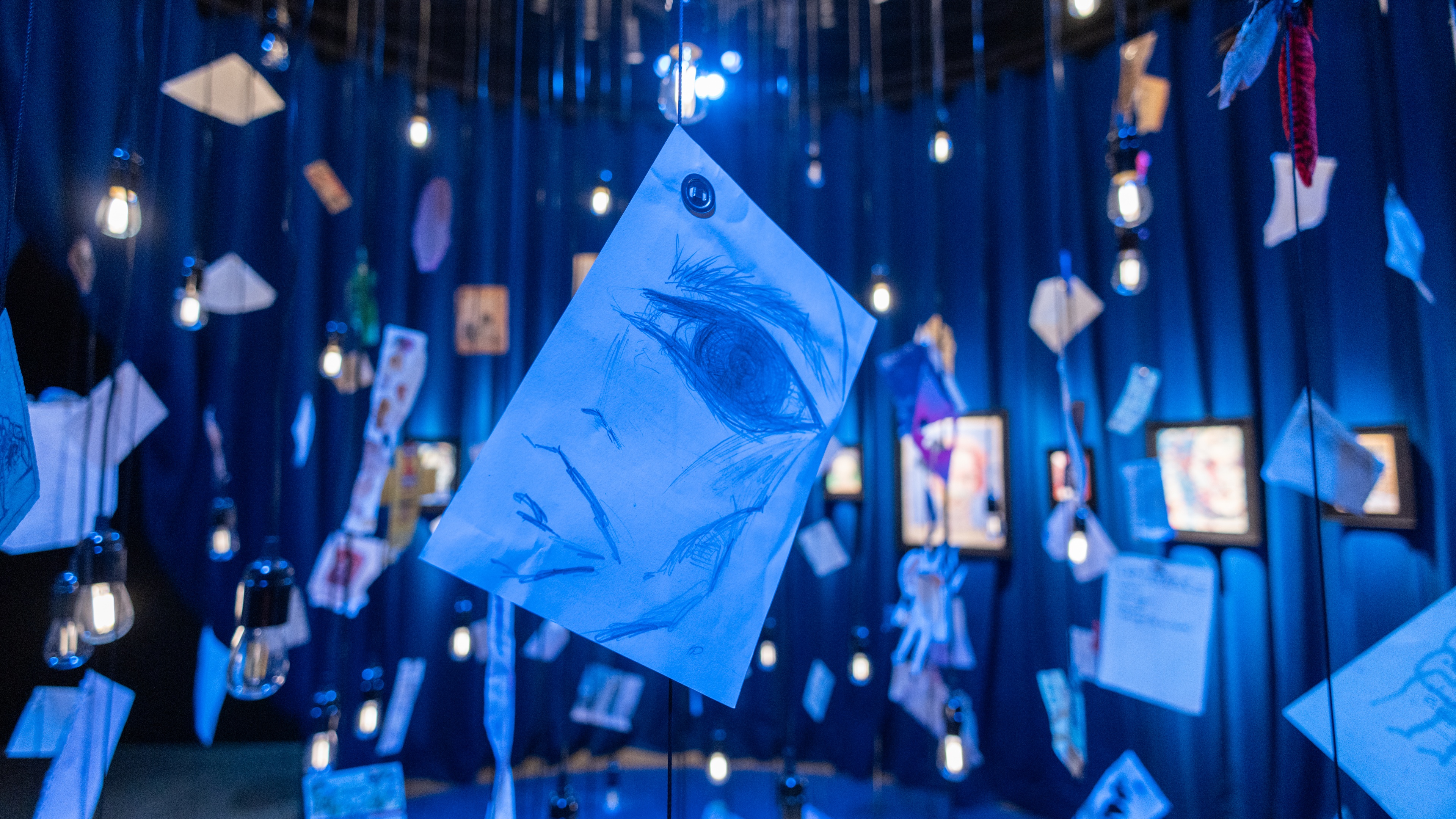
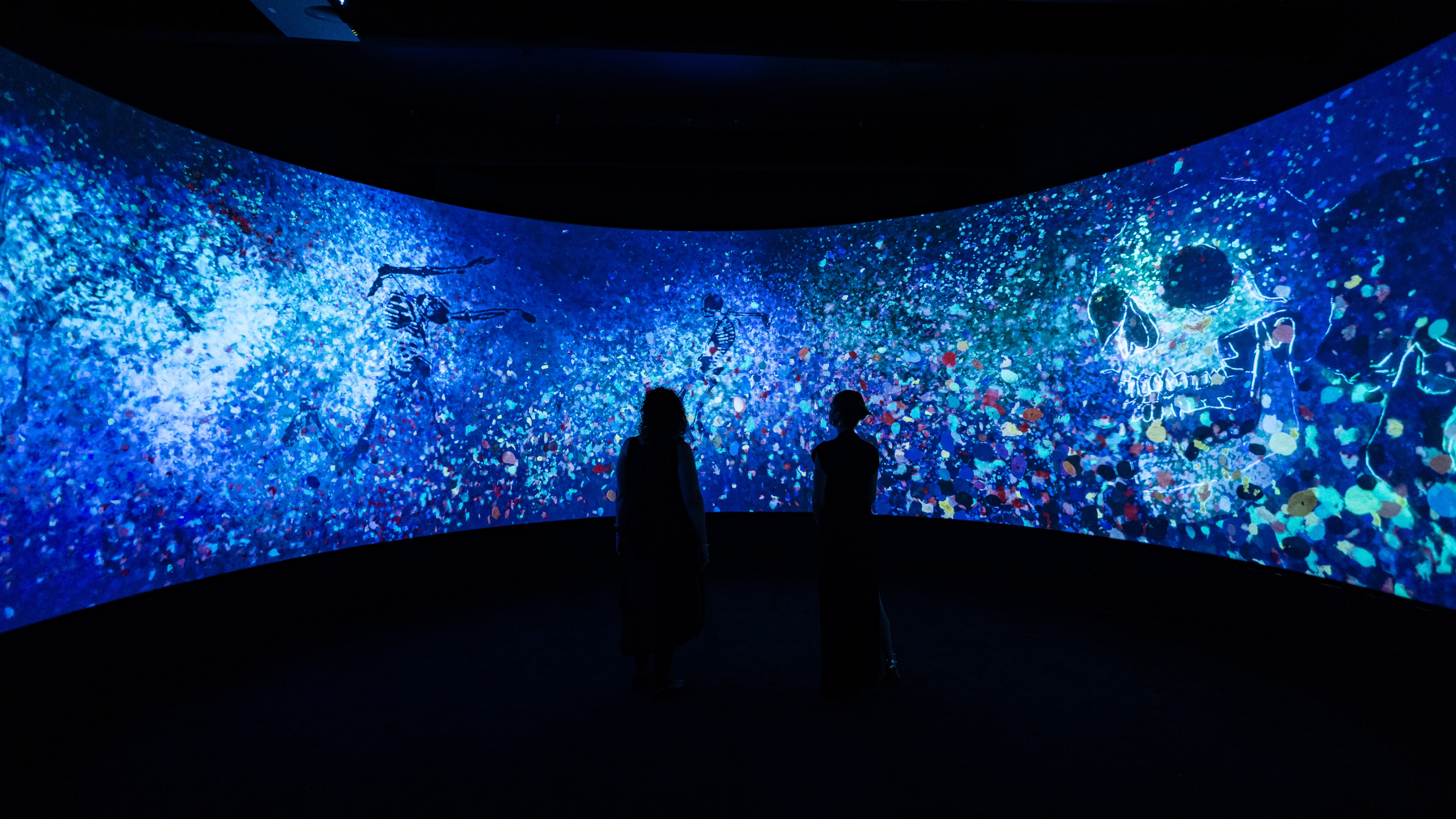
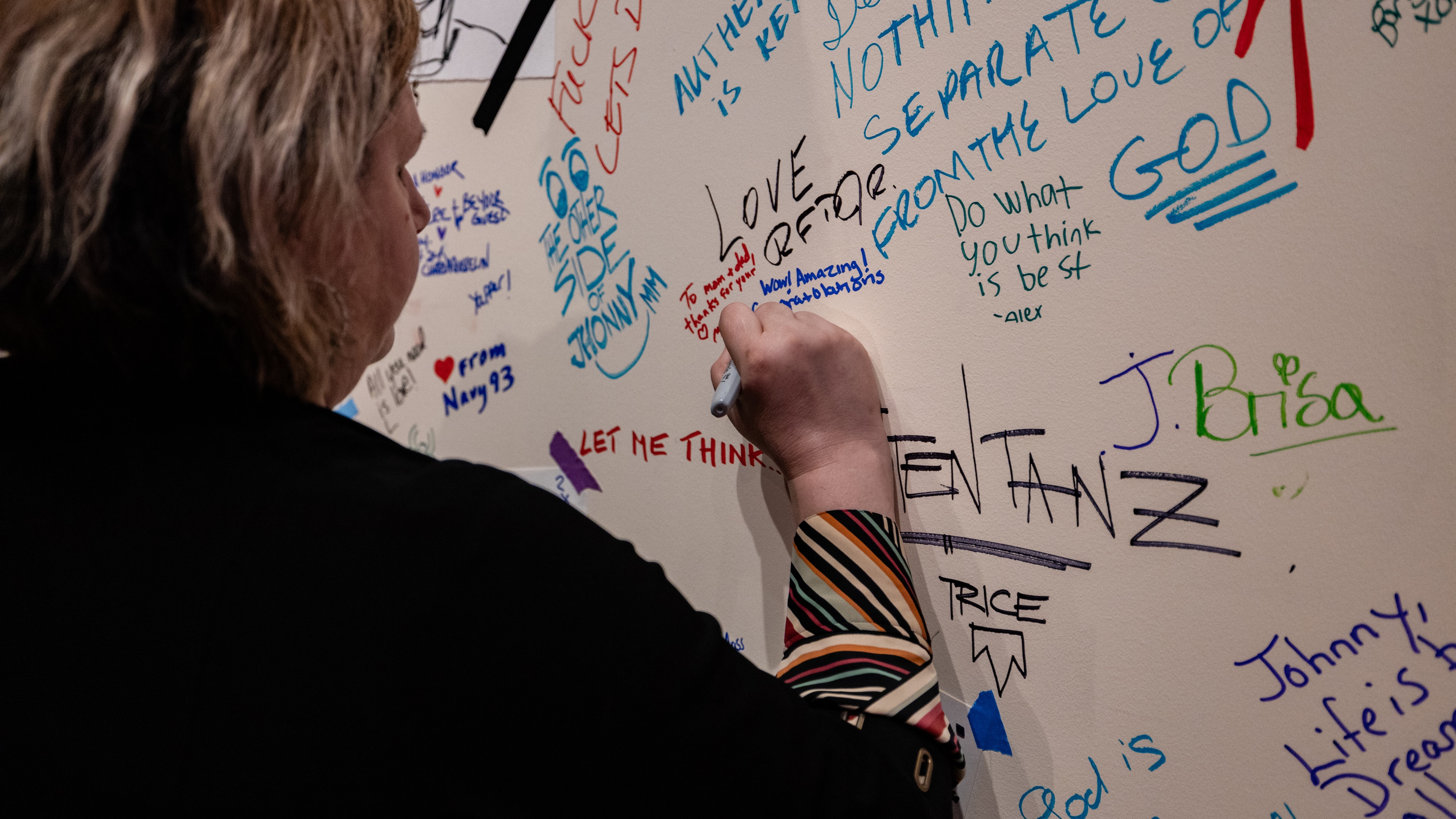
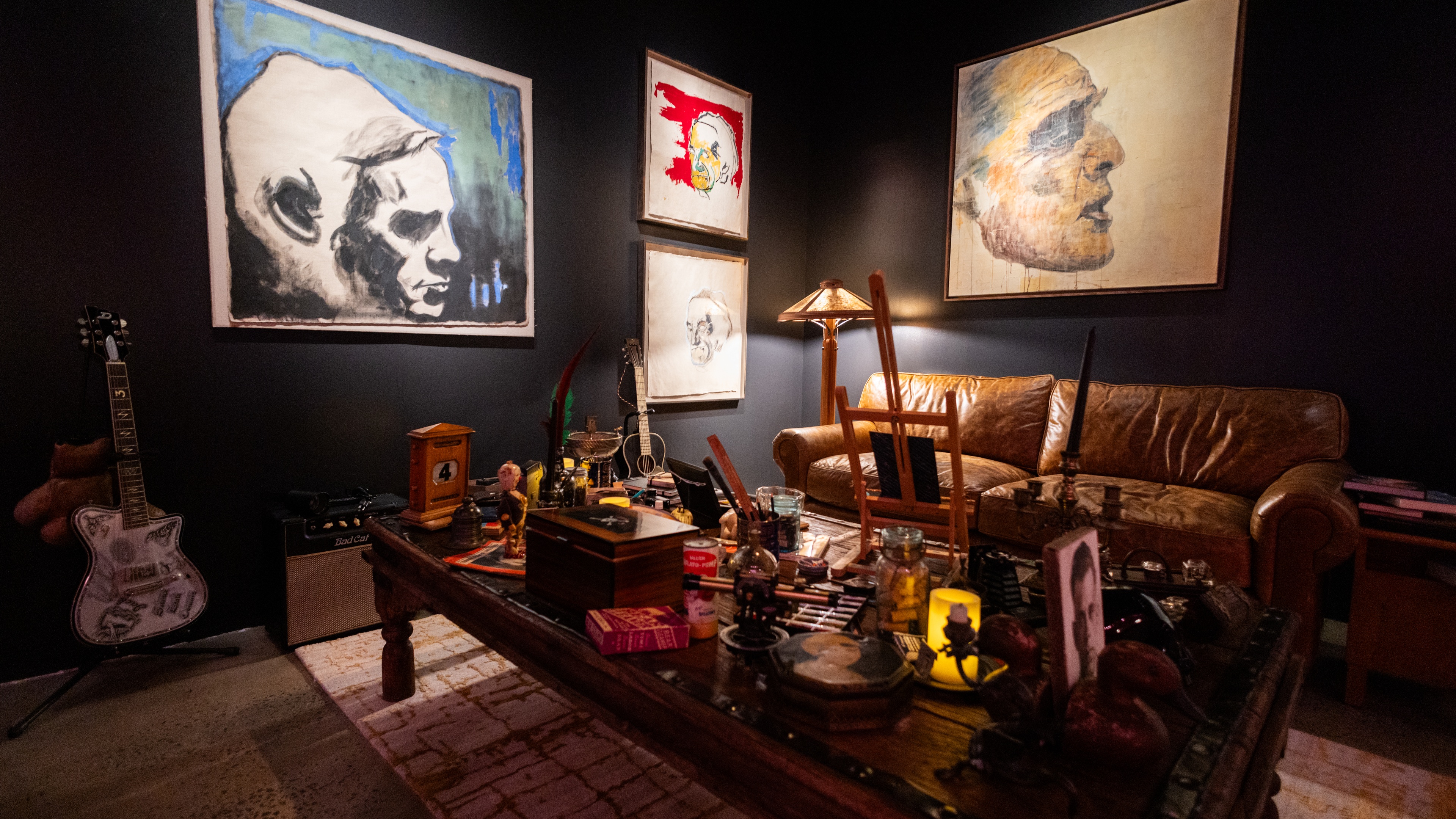
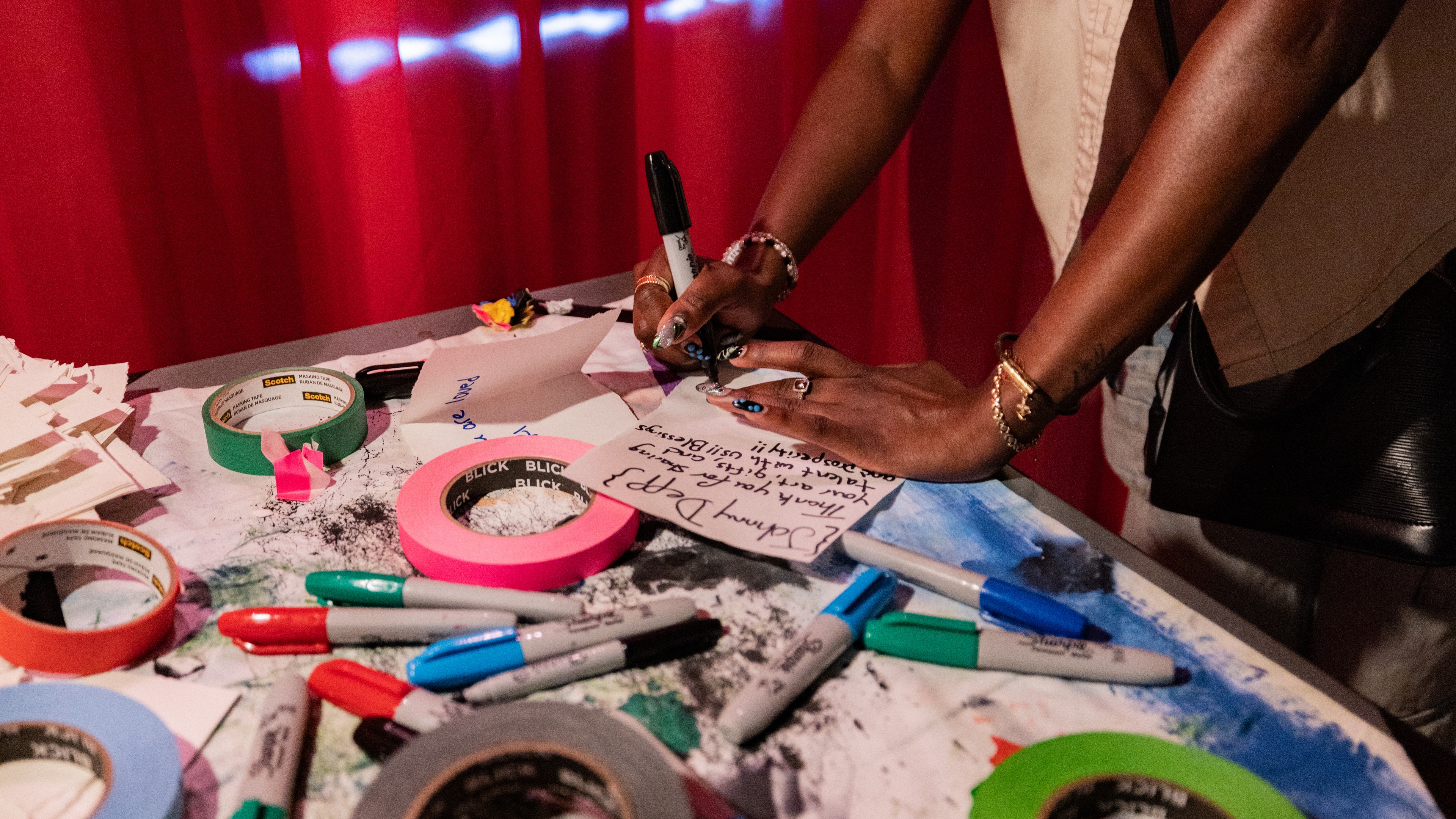
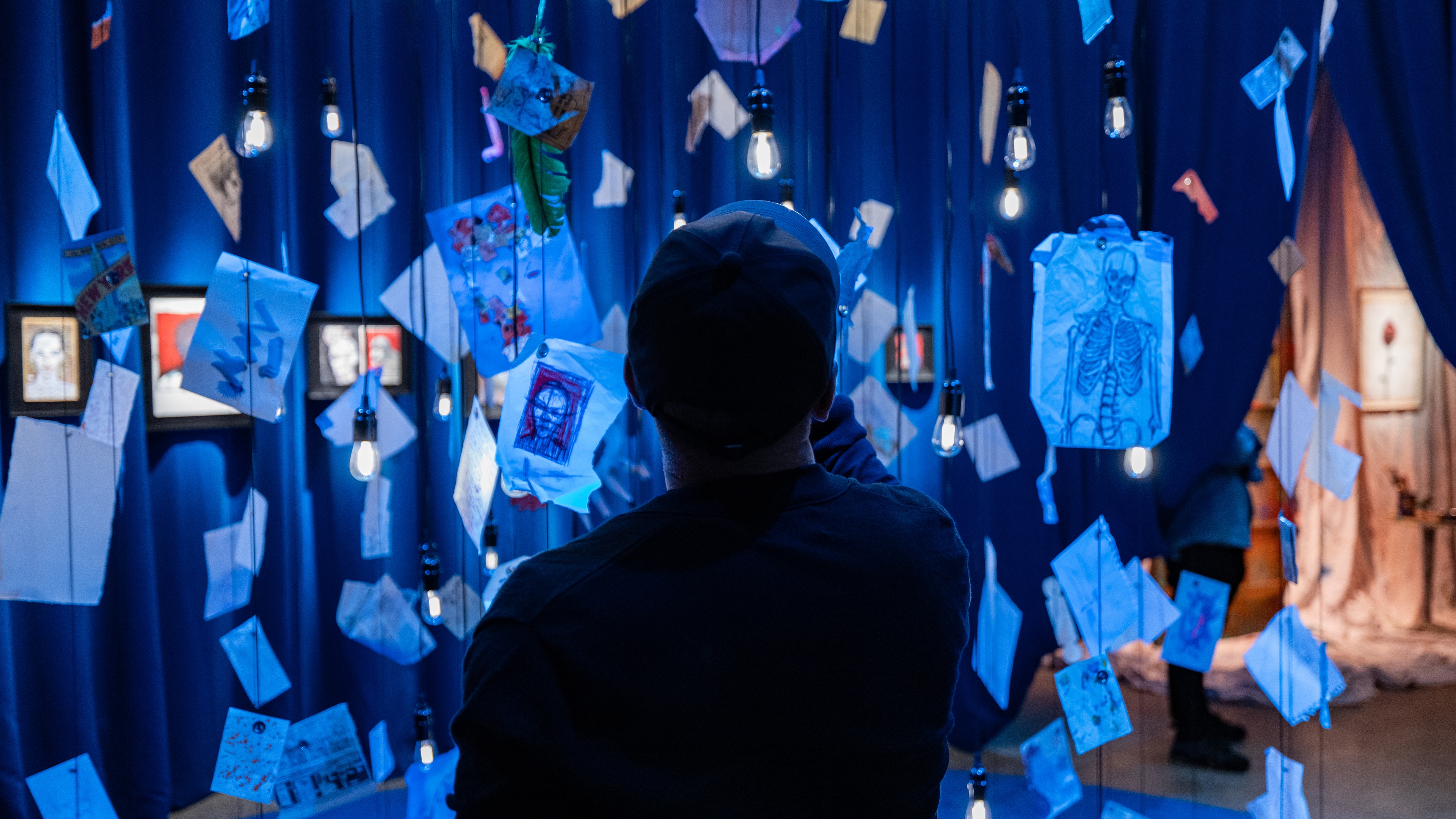
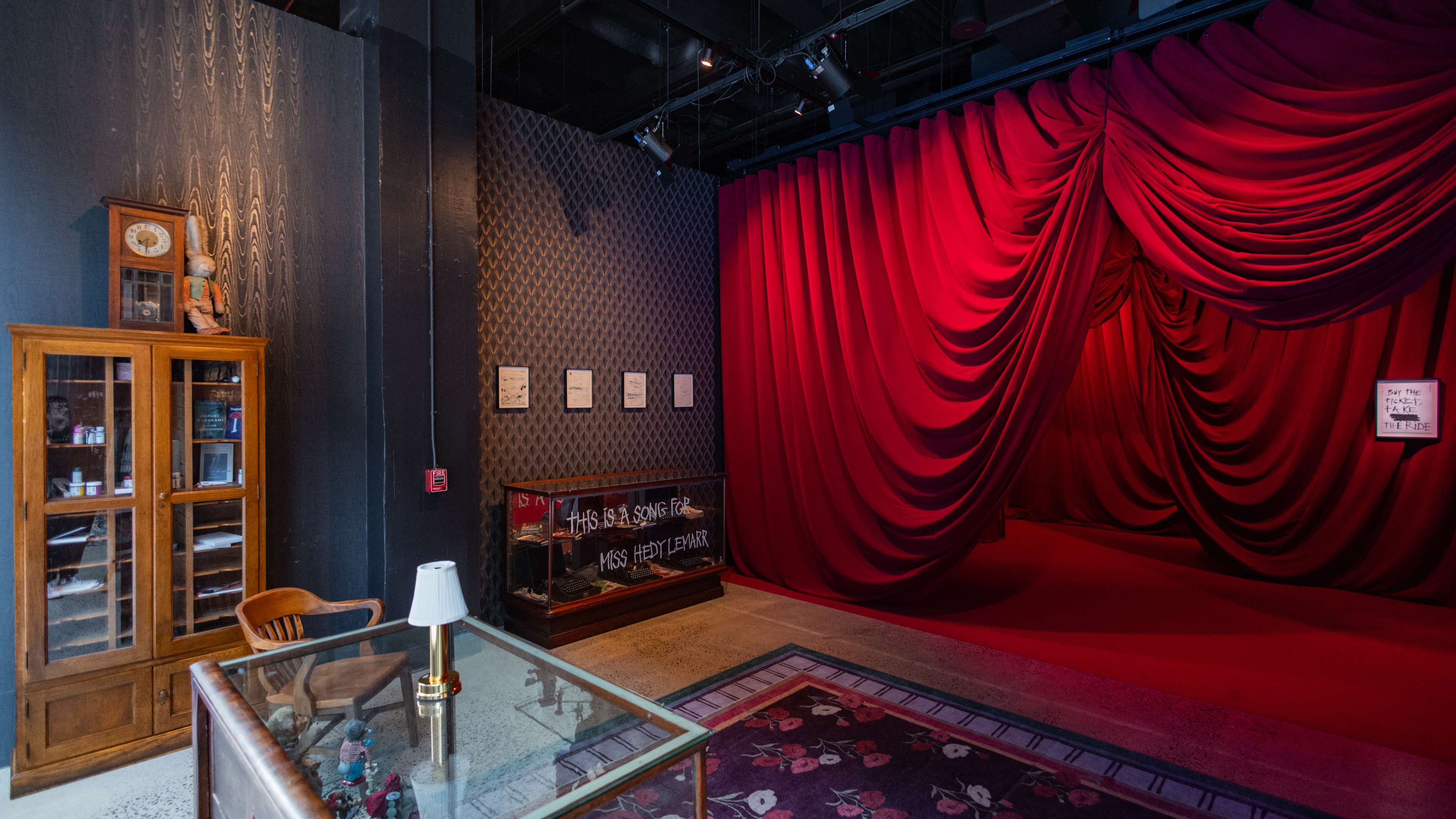
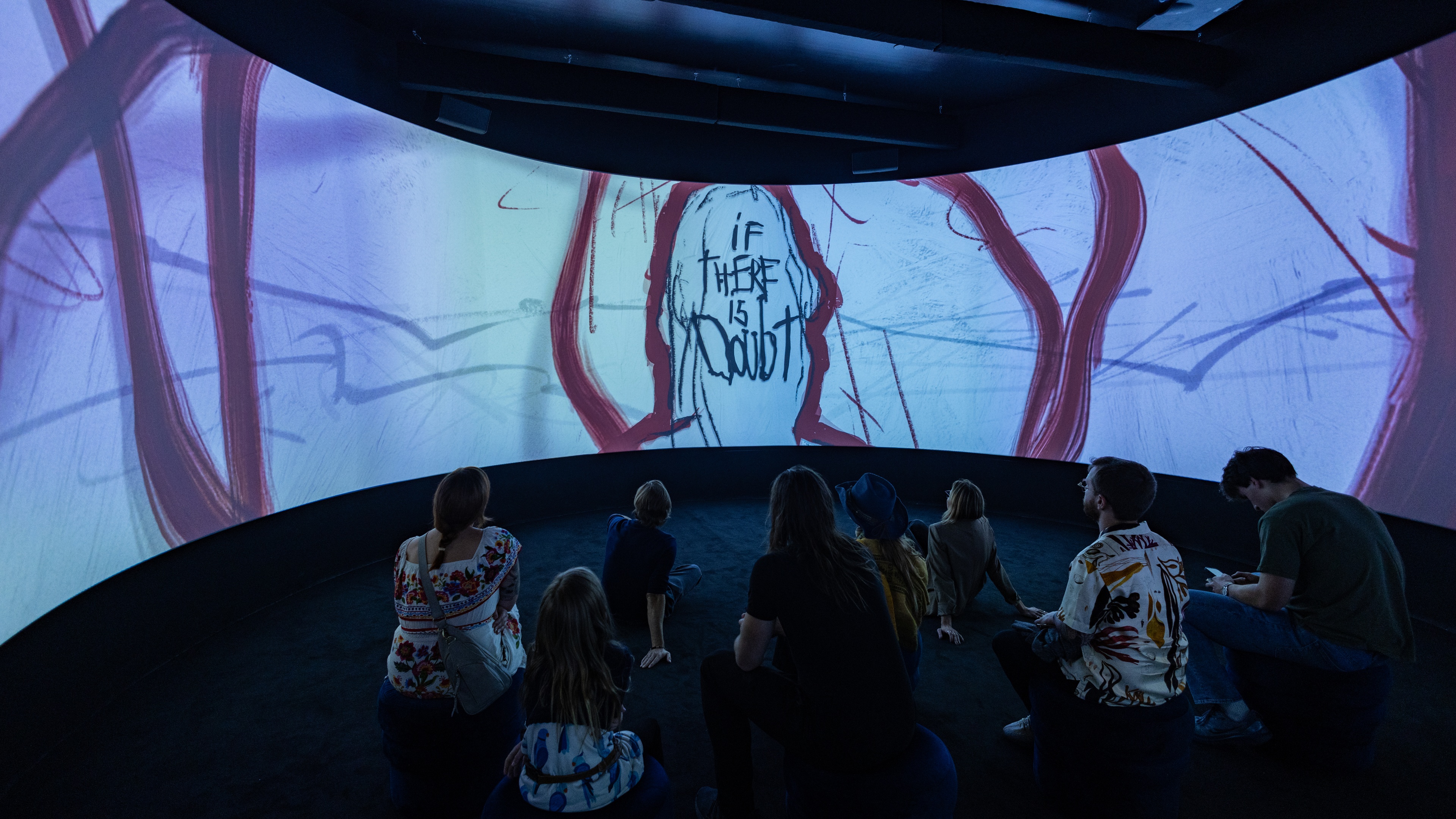
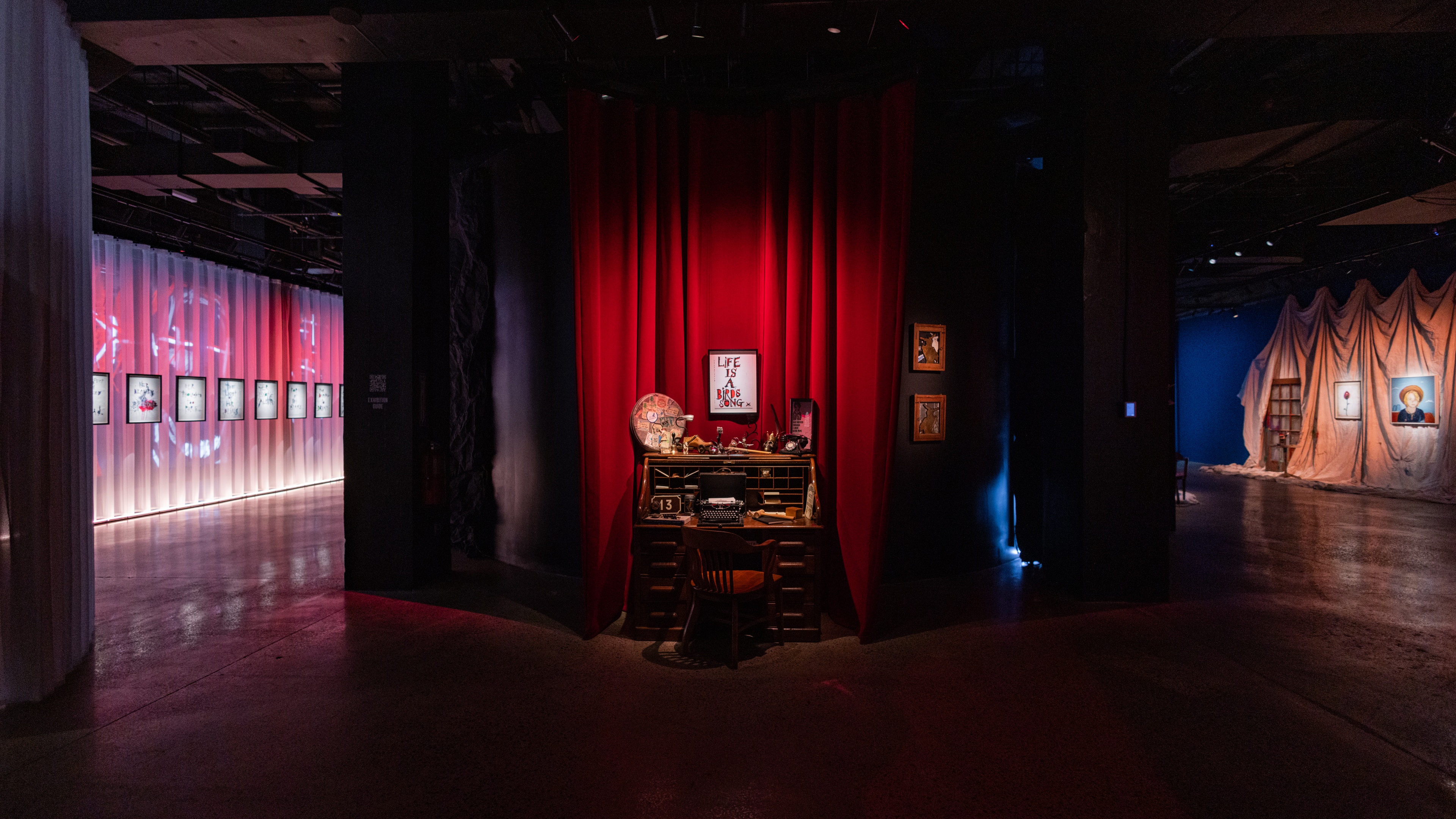
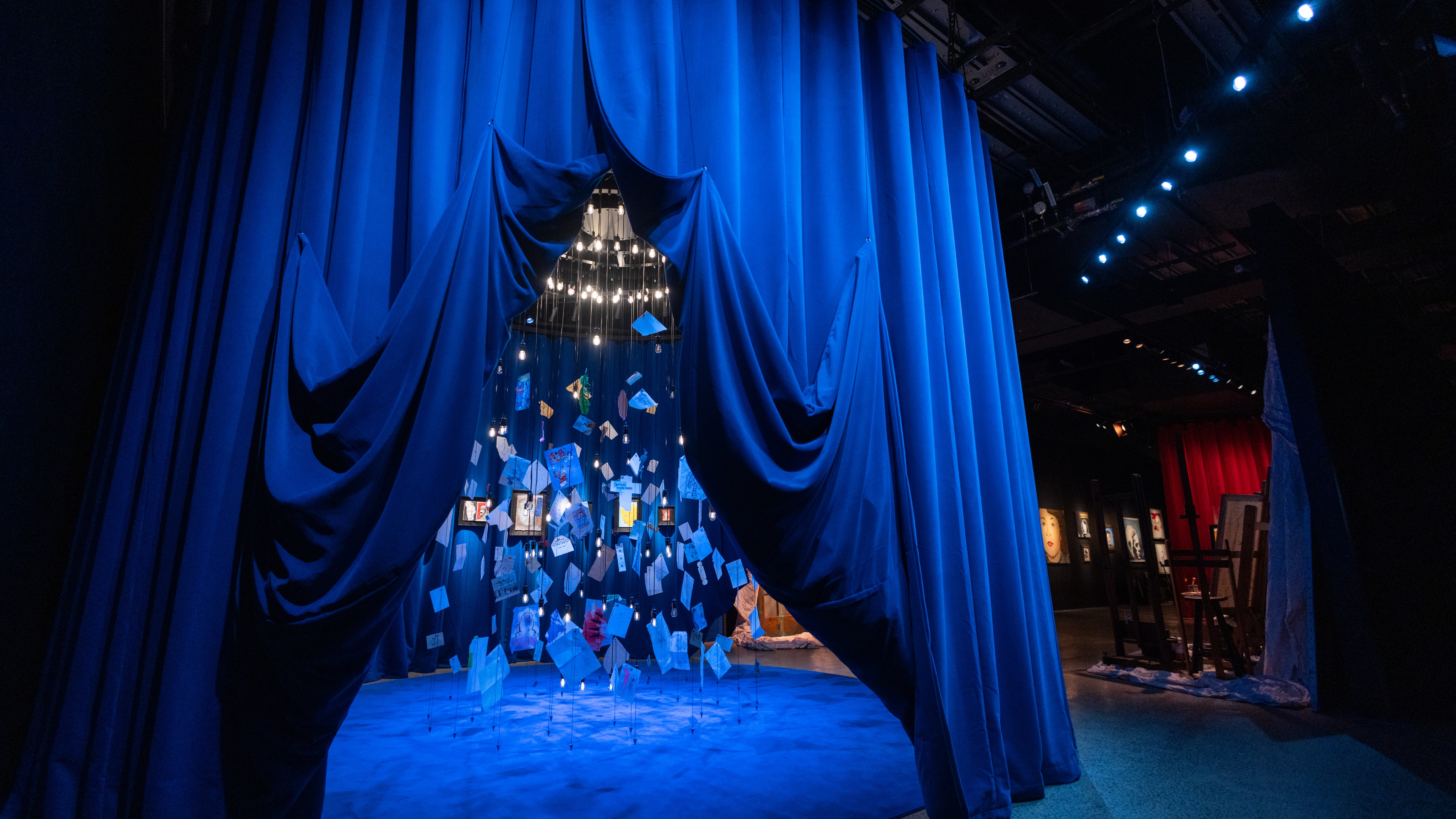
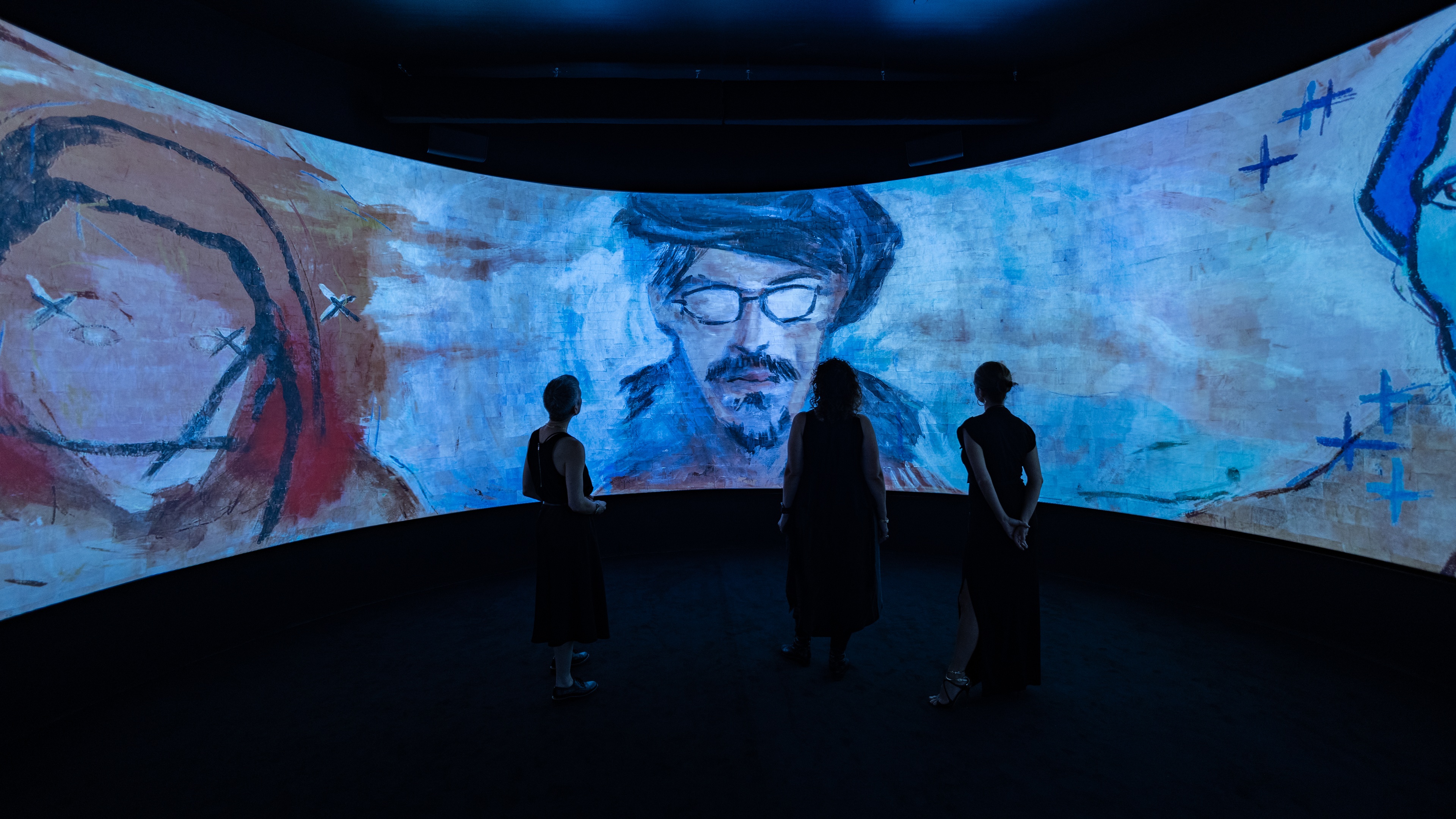
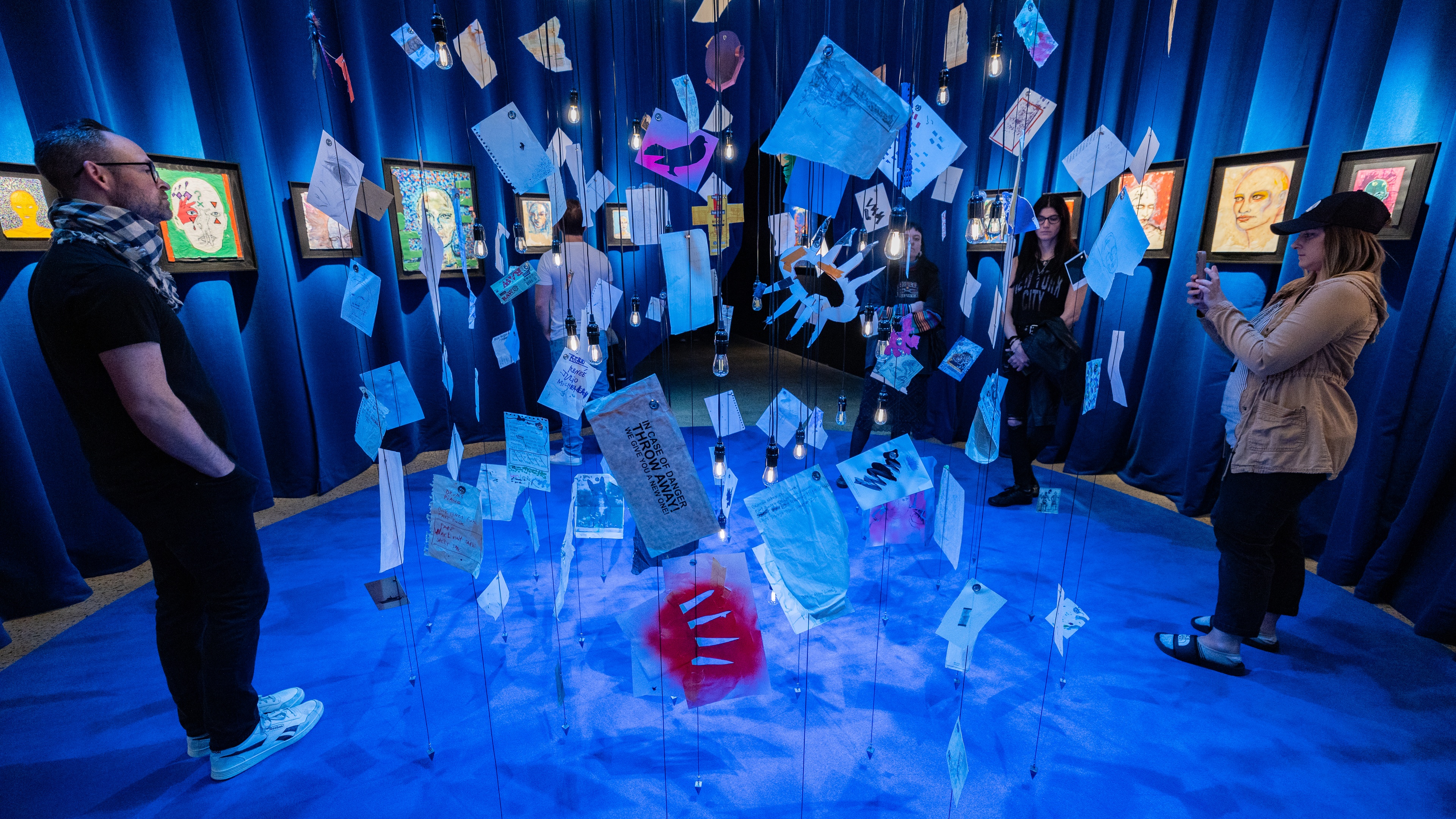
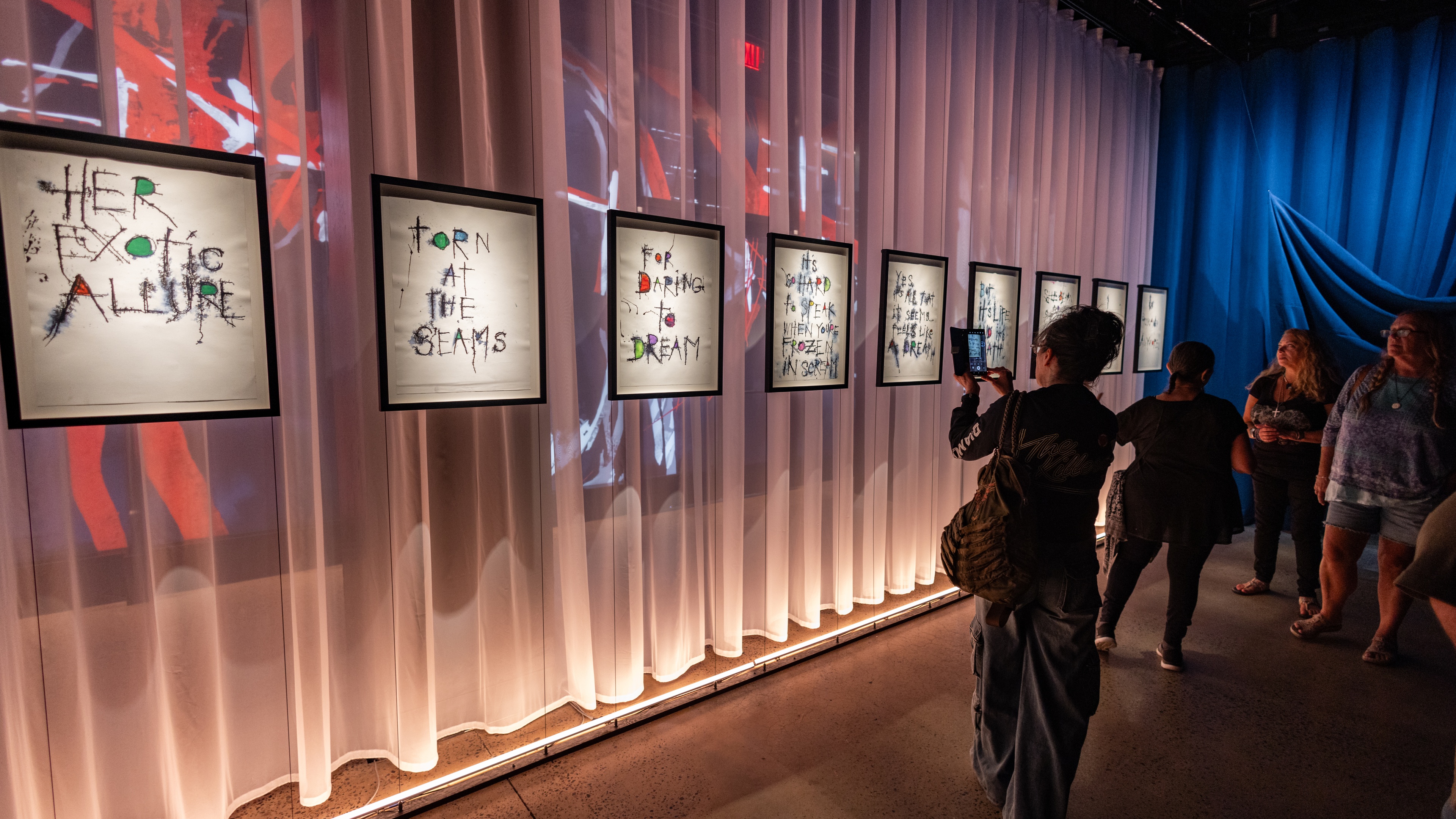
For this inaugural venture, BAUART partnered with Johnny Depp and Pantheon Art, to immerse visitors in Johnny's world and introduce him publicly as a visual artist. TAIT envisioned a next-gen gallery experience, shedding white walls in favor of rich fabrics, mirrors, layered textures, deep musical scores, and lighting to create a labyrinth where art unfolds across digital and analog spaces. Depp's personal artifacts and ephemera are juxtaposed with the works they inspired, bringing stories to life. With no defined entrances or exits, visitors are invited to explore five themes, spanning nearly four decades of creativity. At the heart of the exhibition is the Black Box Theatre, a cinematic experience where digital liquid walls bring Johnny's art and creative process to life, narrated by the artist himself. Guests are challenged: "Don't be bored - create," encouraging them to leave their own mark and become part of the exhibition.
TAIT helped BAUART introduce a new, accessible way to experience art, which contributed to the instant success of this immersive exhibition. A Bunch of Stuff garnered widespread media coverage in People, Hola!, and the Daily Mail - earning a 5-star Google rating. The innovative blend of digital, analog, and multisensory elements captured the attention of both art enthusiasts and the general public, positioning the exhibit as a groundbreaking cultural moment.